4.10.12

O grotesco nas artes visuais


Grotesco é um derivado do termo latino grotto que significa gruta ou pequena caverna. A expressão grotesco surgiu no século XIV quando foram descobertos soterrados em Roma, por acaso, corredores e salões do antigo complexo palacial Domus Aurea, uma construção requisitada pelo imperador Nero após o grande incêndio que consumiu boa parte da cidade em 64 d.C. (o qual se atribui a ele). Nesses espaços subterrâneos reabertos depois de quase mil e quinhentos anos foram descobertas fantasiosas pinturas: imagens, figuras, estátuas compostas de pessoas ou deidades metade gente e metade animal ou metade figura mítica. A palavra grotesco passou a ser utilizada não somente em meios artísticos mas também em outras áreas como, por exemplo, na literatura e arquitetura. Mas o termo Grotesco é também referente à figuras estranhas e bizarras, diferentes do que estão acostumadas à ver.[1] Leonardo executou desenhos chamados Cabeças Grotescas (1490). A palavra grotesco adquiriu depois no idioma italiano e por difusão, também no idioma português, o sentido de bizarro ou ridículo, mas sem relação com as pinturas originais.

Mascarão grotesco

Arte fantástica é um gênero de arte não muito bem definido, que demonstra a fantasia. Acredita-se que o primeiro artista "fantástico" tenha sido Hieronymus Bosch. Outros artistas que foram definidos como fantásticos são Brueghel, Giuseppe Arcimboldo, Matthias Grünewald, Hans Baldung Grien, Giovanni Battista Piranesi, Francisco de Goya, Henry Fuseli, William Blake, Gustave Doré, Gustave Moreau, Odilon Redon, Max Klinger, Arnold Böcklin, e Salvador Dalí.
A fantasia tem sido uma parte integrante da arte desde seus primórdios, mas foi particularmente importante para o maneirismo, a arte romântica, o simbolismo e o surrealismo. A arte fantástica celebra a fantasia, a imaginação, o mundo dos sonhos, o grotesco, visões e outros mundanismos. Com o simbolismo ela divide a escolha de temas tais como a mitologia, o ocultismo e o misticismo.
Em francês o gênero é chamado "le fantastique"; em inglês é algumas vezes referido como arte visionária, arte grotesca ou arte maneirista.

Arte fantástica. Thomas Cole, Sonho, 1840

A arte fantástica não deve ser confundida com a arte de fantasia, que é o domínio de ilustradores de ficção científica e fantasia, tais como Boris Vallejo e outros.

Arte de fantasia. Fada. O mundo dos seres encantados

O grotesco é a fina arte das esdrúxulas misturas. Como um demiurgo, o produtor do grotesco toma partes de um ser misturando-as com partes de outros seres, obtendo um resultado totalmente anti-natural. Cada parte é associada por hábito ao ser de onde foi retirada. Frutas e legumes são objetos naturais, habitantes das feiras públicas onde são comprados para o consumo. Mas quando alfaces, cenouras e beterrabas são organizados com formato de um rosto humano, como na obra do artista Arcimboldo (1527-93, italiano), então temos um objeto grotesco. O grotesco é experimentado no sentimento como algo cômico, que causa riso, ou como algo estranho que amedronta e repugna.[2]

Cômico e Estranho

O Grotesco nas artes visuais. O termo grotesco deriva do italiano grotta, e foi originalmente cunhado para designarum tipo de arte decorativa da antiguidade clássica, que influenciou largamente os artistas doséculo XVI. São conhecidos os grotescos de Rafael (1515) nas loggie do Vaticano. Nessesa frescos, predominavam elementos não factíveis, baseados na imaginação do artista, comoanimais brotando de plantas e metamorfoses de todo tipo. Afora o propósito originalmente ornamental, há algumas características determinantes do grotesco, como seu aspecto fantasioso, porém 'algo angustiante e sinistro' (Kayser, 2009, pp.16-19), tendo comodes dobramentos posteriores características como o desproporcional, o monstruoso, odesordenado e o assustador, assim como uma tendência para o caricatural e o ridículo. “Oelemento paranóico do maneirismo(...) procura no monstro e no monstruoso uma‘encarnação’ demasiadamente grande da deformação.” (Hocke, 1974, pp.17-18, 145)Em Bruegel (o Velho) e Bosch, por exemplo, a essência do grotesco se manifestaatravés de representações do sobrenatural e do demoníaco. A partir do Romantismo, ogrotesco adquire um caráter sinistro, mas com a vinculação do grotesco com a commedia dell’arte, surge a tendência para igualá-lo com o burlesco e o cômico. (Kayser, 2009, pp. 26,27) Nas manifestações das artes visuais do século XX, o Surrealismo é imediatamente associado ao grotesco.
O surrealismo tem origem na literatura e mesmo suas manifestações visuais carregam consigo elementos narrativos e metafóricos. A proposta do surrealismo, segundo André Breton, estava relacionada com as teses de Freud. Suas primeiras obras tridimensionais, os 'objetos surrealistas' de Dalí, Man Ray e Giacometti, entre outros, eram produto da ideia de 'acaso objetivo,' e se propunham a “estimular as projeções inconscientes do observador,” apartir de associações díspares entre diferentes objetos, criando metáforas.(Krauss, 1998, pp.130-145) Existem alguns aspectos no surrealismo que o aproximam à ideia do grotesco, principalmente a pintura de De Chirico, Dalí e Tanguy, além das ‘fantasias grotescas’ deEnsor. Nas obras produzidas em torno do Manifesto Surrealista, de André Breton – em especiala pintura metafísica – “atinge-se o estranhamento (…) pela união do heterogêneo”, porém, “pode faltar inteiramente caráter ameaçador, horror, elemento abissal – e com isto conteúdos dos mais essenciais do grotesco.” (Kayser, 2009, p.141) [...]
O labirinto, nas civilizações antigas, representa uma “metáfora 'unificadora' para tudo aquilo que o mundo apresenta de previsível e imprevisível.” (apud Hocke, 1974, p.167) A imagem do labirinto está relacionada ao subterrâneo e também ao onírico. Bachelard especifíca o arquétipo do labirinto como possuindo uma 'dimensão angustiada', pois liga oindivíduo sonhador com suas impressões profundas. O autor descreve os 'sonhos labirínticos'como aqueles nos quais o caminhar inconsciente revive a 'situação típica do estar perdido' enos quais anda-se com dificuldade. (Bachelard, 2003, pp.161-164).
[...] O surrealismo solicita ao espectador uma interpretação semântica para seus enigmas, enquanto no grotesco a comunicação é icônica, labiríntica, visual.[3]

Bacon, 1944

Francis Bacon transmitiu a ideia de que o ser humano, ao conquistar e fazer uso da sua própria liberdade, também liberta a besta que existe dentro de si.

Bacon, 1989

Kelly de Souza, Grotesco pós-moderno, Revista da Cultura, 36, Julho de 2010

Sempre presente na cultura, a estética do feio, vista como subclasse da arte até pouco tempo, ganha notoriedade e se transforma em linguagem da contemporaneidade.

Quando o jornalista e crítico francês Franck Maubert chegou à casa de Francis Bacon, em um não tão remoto 1982, foi surpreendido pela cortesia do anfitrião, que logo ofereceu uma xícara de café. A delicadeza do pintor – considerado hoje um dos mais cotados do mundo – contrastava com o humor austero visto em suas telas. Já a elegância das botinas pretas, a calça de flanela cinza, a jaqueta de couro e a gravata escura de tricô engraçavam-se com o tranquilo olhar azul-claro, sem familiaridade aparente com seus disformes e gritantes personagens. Meticuloso, Bacon falava bem. “Falar o divertia, falar o excitava. Falar, para ele, também era uma arte”, conta Maubert em Conversas com Francis Bacon, livro que marca o centenário de nascimento do pintor (2009).

No encontro, repetido outras vezes, a primeira impressão harmoniosa estilhaçou-se quando o jornalista entrou no ateliê do pintor. Um antro que acumulava objetos, com o chão coberto por jornais, revistas, fotos e detritos acumulados numa áspera crosta. “Toda minha vida não passou de uma vasta desordem”, desculpou-se. O caos pessoal – aquele porão escuro em que o “cheiro do sangue humano não desgruda dos olhos”, como sugere o subtítulo do livro – era justamente o cerne da imaginação pictórica de Bacon, em toda sua complexidade e ambiguidade tragicômica. “Provocava – adorava provocar – e seduzia, não sem humor”, registrou o crítico francês. É na descrição de um dos seus maiores expoentes modernos que se encontra a plena definição da estética do grotesco.

Da Antiguidade até hoje, o grotesco sempre esteve presente na cultura, mas mantido numa espécie de subclasse da arte por estar em desarmonia com a chamada “metafísica do belo”, construída até a Idade média e difundida como estética artística a partir do Renascimento. O “belo artístico” ficou associado a proporção, harmonia, simetria, forma, perfeição, ao bem e ao verdadeiro. Por outro lado, o grotesco, como estilo artístico, só foi descoberto no final do século 15, a partir de escavações em porões e grutas romanas (grotta, em italiano), nas quais foram encontradas pinturas que misturavam formas humanas às vegetais e animais. Ele combinava elementos heterogêneos e se desviava da “norma” artística predominante à época, o que estabeleceu, desde então, a marginalidade do estilo em relação ao clássico. Independentemente da arte, o grotesco passou a ser associado ao cômico, ao burlesco, ao violento, ao mau gosto. Ou, ainda, a representações do fabuloso, do macabro, da aberração, além das temáticas inerentes ao corpo, como a nudez, o sangue, o sexo e suas funções intrínsecas.

“Todo mundo ama o belo, a ponto de estudos acadêmicos sobre o feio serem raros”, disse o escritor italiano Umberto Eco, em A história da feiura. “Mal e Feio não existem no plano divino”, justificou, citando Santo Agostinho. O mal e o feio também não faziam parte do belo artístico. Foi só no século 19 que o grotesco passou a ser visto e estudado como categoria estética. E é o francês Victor Hugo que inicia a defesa do grotesco como linguagem. Em Do grotesco e do sublime, o escritor contrapõe a estética clássica, defendendo o emprego do grotesco para elevar as artes por meio da harmonização dos opostos que se completam, como o feio e o belo, o mal e o bem, o grotesco e o sublime etc. “O sublime sobre o sublime dificilmente produz um contraste”, argumentou.

Os pesquisadores Wolfgang Kayser (O grotesco) e Mikhail Bakhtin (A cultura popular na Idade Média e no Renascimento) ampliaram as margens para a discussão estética do grotesco no século 20. Bakhtin destacou em seus estudos a importância do “corpo” grotesco, como significação lúdica, carnavalesca. Já Kayser pontuou o grotesco como estrutura da manifestação estética para o processo criativo, obra e recepção, e seu desenrolar ao longo do tempo. “O obscuro foi encarado, o sinistro descoberto e o inconcebível levado a falar”, disse.

As manifestações do grotesco nas produções das mais diversas áreas encontraram guarida em artistas como Diego Velázquez, Miguel de Cervantes, E.T.A Hoffmann, Edgar Allan Poe e William Shakespeare, um dos autores preferidos de Francis Bacon. Na arte plástica, esse contorno é dado, além de Bacon, por Botero, Lucian Freud, Nancy Burson, Cindy Sherman, Kiki Smith, entre outros. De acordo com a pesquisadora da Universidade Federal do Rio de Janeiro (UFRJ) Raquel Paiva, coautora de O império do grotesco, junto com Muniz Sodré, cada período da história da civilização é marcado por uma forma de expressão estética.[4] “Para a nossa época, além do realismo exacerbado, é o grotesco que marca a cultura contemporânea. Vivemos a época da exacerbação dos sentidos e, pela própria natureza, o grotesco entra como elemento predominante para essa produção que precisa chamar a atenção. O grotesco e o realismo convivem de maneira harmônica dentro da produção cultural e são a expressão de nossa época”, explica. Os elementos de nossa cultura estimulam o surgimento da estética do grotesco. “Vivemos um momento em que as pressões ideológicas tendem ao ocaso e os questionamentos sobre modelos, valores e conceitos se acentuam”, explica Antônio Vargas, pesquisador do Centro de Artes da Universidade do Estado de Santa Catarina. Também artista, ele cita, como exemplo, os irmãos Chapman, que propõem discussão sobre a hipersexualidade infantil com corpos infantis, criando seres sexualmente polimórficos, unidos por órgãos genitais, prontos para serem penetrados. Essas estranhas combinações físicas esculturais, diz o pesquisador, não são tão diferentes das antigas formas grotescas. “A produção contemporânea não se apresenta como resposta, feita no modernismo quase como uma proposição ao artista, e sim como uma pergunta.” Em outras palavras, conta Vargas, a arte pós-moderna se serve do grotesco para tirar as pessoas do estado catatônico social. “É importante diferenciar a estética daquilo que pode ser apenas um efeito cenográfico para chamar a atenção, porque, às vezes, o que emerge não tem essa dimensão crítica”, ressalta.

Irmãos Chapman: hipersexualidade infantil

Vargas se utiliza da arte digital, preponderantemente de imagens das gravuras japonesas Ukiyo-e integradas a imagens de violência e sexualidade obtidas na web, para apoiar a construção da estética e linguagem do grotesco em suas obras. As colagens, num olhar desatento, parecem belas. É preciso observar novamente para perceber cenas de violência, sexo, guerra etc. “Em uma imagem grotesca, a beleza disfarça o improvável, o sórdido”, explica. A estética do grotesco no pós-moderno se aproxima da defesa feita por Victor Hugo em Do grotesco e do sublime. Para o escritor, a arte moderna era justamente essa reunião harmoniosa entre o sublime e o grotesco. “É o feio junto ao belo. A partir daí, você traz um novo significado para ambos. Essa é uma das características da pós-modernidade, essa tentativa sistemática de mesclar, fundir, unificar e, com isso, gerar algo novo. As fronteiras que ainda não foram corrompidas serão certamente corrompidas por alguém.”

Referências
1. "Time and again, we are confronted with images which defy our aesthetic conventions, and are therefore relegated to the shadowy realm of the grotesque. We never succeed in defining the grotesque with any degree of certainty, but merely categorize those works which stimulate certain emotional reactions as grotesque, absurd, abnormal, etcetera. Indeed, the nature of the concept is such that any attempt to establish its contours with the rational faculties is doomed to failure" (Aaron Ross, The Art of Salvador Dali: from the Grotesque to the Sublime, em lihna, http://www.dr-yo.com/grot.html, consult. 18.2.2008).
2. Aula de arte
3. Luciana Beatriz Chagas, O labirinto grotesco de Manoel Galdino, PDF.
4. Muniz Sodré e Raquel Paiva, O império do grotesco, Mauad Editora, 2002.


Borges, Bento Itamar. O (mau) gosto e o grotesco, Istituto de Psicologia UFRGS, 2002.
Grotesco: Definição, Enciclopédia Itaú Cultural, Artes visuais, 2006.
Hocke, Gustav R. Maneirismo: O Mundo como Labirinto. São Paulo: Perspectiva, 1974.
Kayser, Wolfgang. O Grotesco [1958], São Paulo: Perspectiva, 2009.
Nuto, João Vianney Cavalcanti. Grotesco e paródia em Viva o povo brasileiro, Revista Brasil, Universidade de Brasília.
Outerelo, Amador. O estilo grotesco, Multiply, 520.

3.10.12

Decoração insólita


O termo grotesco deriva da palavra italiana grottesco (de gruta, ou cova), surgindo como um estilo artístico inspirado nas decorações da Roma Antiga, descobertas em ruínas escavadas durante o Renascimento. Esses monumentos subterrâneos eram conhecidos por “grottes”, e foram encontrados em 1480, num local que hoje é conhecido como Oppius. Essas escavações revelaram os restos do palácio Domus Aurea, erguido por Nero após o grande incêndio que destruíra parte de Roma no ano de 64. O palácio possuía uma espécie de pintura ornamental totalmente incomum, principalmente em relação à imagem que se tinha do estilo classicista de arte romana. Esse estilo recém descoberto era baseado em formas, como figuras delirantes, máscaras e animais. O ornamento grotesco, geralmente, se caracteriza pela criação de universos fantasiosos, cheios de seres humanos e não-humanos, fundidos e bizarros.

As visitas às grutas se tornaram uma verdadeira viagem insólita, em que uma nova noção de arte se fazia a partir do estranho, do irreal e do assustador. Diversos pintores fizeram excursões regulares às ruínas da Domuns Aurea, entre eles Giovanni da Udine, Pinturicchio e Rafael Sanzio, principalmente para conhecerem os ornamentos criados pelo pintor Fâmulo (também conhecido como Fabullus, ou Fábulo).

Um dos primeiros exemplares do ornamento grotesco é o friso da Anunciação, feito por Carlo Crivelli, em 1486, que chama atenção pela deformação de elementos naturais. As pinturas grotescas feitas por Luca Signorelli, entre 1499 e 1504, para a Catedral de Orvieto, mostram uma confusão de elementos e animais estranhos, usados para representar a Divina Comédia, de Allighieri. Entre os mais conhecido e influentes obras grotescas, encontram-se as obras de Rafael Sanzio, para o forro e pilares das loggie do Vaticano, de 1515, formados por arabescos e linhas ondulados e verticais, com animais e vegetais entrelaçados.

Grotescos, século XVI. Galleria degli Uffizi

O grotesco como um estilo marginal, até que a grande difusão do estilo que se deu já no fim do século XVI, quando já tomava grande parte arquitetura italiana. Muitos outros artistas renomados passaram a realizar suas obras com base no estilo grotesco, como Gaudenzio Ferrari, Signorelli, Filippino Lippi, Andrea di Cosimo, Giuliano da Sangallo e até mesmo Michelangello. Logo após essa explosão no país, o estilo começou a entrar em outros países da Europa. Rapidamente a noção de grotesco perde o sentido técnico, especificamente, como um tipo de arte romana e um estilo renascentista, transformando-se em um adjetivo para indicar aquilo que é bizarro, fantástico e extravagante.

Posteriormente, o movimento neoclássico, ao resignar a linha curva e retorcida dos estilos barroco, acaba por rejeitar, de modo geral, o estilo grotesco, que é considerado excessivamente despropositado, colocando-o novamente na marginalidade. Acaba sendo muito valorizado pelos românticos, para os quais a arte deveria representar tanto o que é belo e admirável, quanto o que é feio e deformado. Esses artistas transformam o grotesco numa espécie de categoria estética e literária, para fazer referência a um tipo de descrição ou de tratamento deformador da realidade, que pode ter como objetivo provocar gargalhadas, com uma intencionalidade satírica.

Fonte. Gabriella Porto, Grotesco, InfoEscola, 3.10.2012

2.10.12

Um estilo marginal


Grotesco é um termo cunhado em pleno Renascimento, do italiano grotta (gruta ou pequena caverna), seguido do sufixo formador de adjetivo –esco, o grottesco. Também aparece como crotesque (no caso, a derivação é do latim crypta que, por sua vez, vem do grego kryptós) em francês, em autores como François Rabelais e Montaigne.

A palavra inaugural do estilo grotesco surge a partir das escavações feitas em 1480, em Roma, no local onde hoje é o parque de Oppius. Ali, sob restos das termas de Trajano e das de Titus, descobriu-se nas ruínas da Domus Aurea (o palácio do imperador romano Nero, 58-64 aC, que o havia mandado construir após o grande incêncio que consumiu boa parte de Roma em 64 d.C.) uma espécie de pintura ornamental totalmente insólita em relação à imagem que se tinha do classicismo romano.

Nesses espaços subterrâneos reabertos depois de quase mil e quinhentos anos foram descobertas imagens, figuras, estátuas compostas de pessoas ou deidades metade gente e metade animal ou metade figura mítica.

Enquanto os estudiosos tentavam decifrar o quebra-cabeças desses escombros, os artistas do Renascimento se punham a descobrir os afrescos pintados principalmente pelo pintor Fabullus nas paredes da Domus Aurea. Desceram às grutas Gionani da Udine, Rafael, Pinturicchio e outros. Viram nos desenhos de Fabullus um novo vocabulário a ser adaptado ao ornamento. A visita às grutas tornou-se uma verdadeira descida dantesca, em que um novo conhecimento se fazia a partir do estranho, devido ao caráter extravagante das pinturas em questão.

Vitrúvio, o arquiteto romano, autor do tratado De architetura, já havia deixado o documento mais importante sobre o impacto dos grotescos da Domus Aurea na época em que estes foram criados: “todos esses motivos, que se originam na realidade são hoje repudiados por uma moda iníqua. Pois aos retratos do mundo real prefere-se agora pintar monstros nas paredes. Em vez das colunas, pintam-se talos canelados, com folhas crespas e volutas; em vez de ornamentação dos tímpanos, brotam das raízes flores delicadas que se enrolam e desenrolam, sobre as quais assentam figurinhas sem o menor sentido. Finalmente os pedúnculos sustentam meias figuras, umas com a cabeça de homem, outras com a cabeça de animal […]” (Kayser, p. 18) Vitruvio continua acentuando as incongruências do estilo que fugia aos critérios clássicos de verdade natural e de verossimilhança, discussão que remonta a Platão, a Aristóteles, a Horácio, etc.

O clássico Rafael, que patrocinou a primeira tradução de Vitrúvio para o italiano, pôs-se a misturar o sublime cristão com os desenhos grotescos pagãos. Era uma posição insubordinada. Os motivos grotescos, sempre acessórios na sua obra, decoravam as margens e a pintura principal ocupava o centro. Rafael e seus discípulos ornamentaram assim as Loggie do Vaticano.

Grande difusão do grotesco dá-se no final do século XVI: os ornamentos cobrem fachadas de palácios, invadem a arquitetura. Nas gravuras temos sua permanente reprodução e também em outros campos: na cerâmica, na tapeçaria, nas artes “menores” em geral. Praticaram o grotesco, além dos artista já citados, Gaudenzio Ferrari, Signorelli, Filippino Lippi, Andrea di Cosimo, Giuliano da Sangallo e até mesmo Michelangello.

O grotesco permaneceu desse modo, um estilo marginal, por excelência que não ocupa as páginas das histórias da arte. Entretanto ele causaria uma apaixonada polêmica nos séculos à frente.

A Contra-Reforma tenta fazer calar a polêmica sobre o grotesco. Todavia, este, a partir da Itália, já penetrara em países transalpinos e conquista os domínios das artes plásticas e mesmo da imprensa. Fica estabelecida desde então a marginalidade do estilo grotesco em relação ao clássico que ocupa o centro. E também se fixam as características da sua representação: a monstruosidade, o informe, o híbrido (a mistura de domínios animal, humano e vegetal) e o fantasioso sem limites (que, por vezes, provoca o riso e que sempre tem caráter crítico).

Discussões à parte, o ornamento grotesco, de modo geral, se caracteriza pela criação de universos fantásticos - repletos de seres humanos e não-humanos, fundidos e deformados -, pelo apelo à fantasia e ao mundo dos sonhos e pela fabricação de outras formas de realidade. O trajeto da noção de grotesco no tempo retira dela o sentido técnico específico de um tipo de decoração romana tardia (e de um estilo renascentista nela inspirado), transformando-a freqüentemente em adjetivo, para designar o que é bizarro, fantástico, extravagante e caprichoso (Amador Outerelo Fernández Jr: O estilo grotesco).

1.10.12

Estética do grotesco: Christoff


Maria Elvira Curty Romero Christoff
As imagens da estética do grotesco na arte de Konstantin Christoff
Doutorado
Escola de Belas Artes da Universidade Federal do Rio de Janeiro, 2008-9
21514

Resumo. Elegemos como corpus de investigação os "Auto-retratos" do artista plástico Konstantin Christoff. Esta tese opera um recorte que contempla o estudo das imagens da estética do grotesco nessa série pictórica. Nos Auto-retratos do artista encontramos: o cômico em situações trágicas; figuras repugnantes; deformadas; bizarras ou rejeitadas; a caricatura e a ironia como forma de expressão; mostrando-nos uma faceta da estética do grotesco. Refletiremos sobre os aspectos relacionados às categorias significativas da estética do grotesco comparadas à produção pictórica de Konstantin; baseando-nos nas teorias de Kayser e Baktin. Percebemos a importância de estudos que abordem a relação entre arte e a estética do grotesco; bem como a necessidade de trabalhos contextualizados com a perspectiva da arte na contemporaneidade; por isso; analisaremos também as primeiras produções artísticas de Konstantin; fotografias e esculturas que influenciaram nesta sua pintura.

Detalhe da obra

"Analisar o trabalho deste artista que praticamente completou meio século de atividade artística, procurando as relações entre sua produção fotográfica e sua arte pictórica, foi desafiador. A princípio, pela organização de seus documentos: fotos, papéis, reportagens, críticas, relatos de vida escritos, percebemos que seu trabalho possuía uma estreita relação com a estética do grotesco, característica que, embora, tenha sido apontada algumas vezes pela crítica, nunca havia sido desenvolvida na esfera acadêmica" – resume a autora.


Pathologis​ch-anatomi​sches Bundesmuse​um, Viena

A autora do trabalho científico focou sua análise no conjunto dos auto-retratos, por entender que se trata da parte mais significativa da obra de Konstantin, que levou 24 anos para pintar essa série de 74 telas, de tamanhos variados, que retratam não apenas a si próprio, mas todo seu entorno cultural e social e seu imaginário.

Maria Elvira revela haver descoberto muitos valores estéticos na obra do autor, pela representação do seu corpo, em que se percebem as mais diversas expressões faciais e corporais, baseadas essencialmente no grotesco: a deformidade, a caricatura, a desproporção física, o exagero de expressões, a negação, a degradação e as necessidades naturais/fisiológicas, dentre outras. Com certeza, um trabalho que contribuirá para novas reflexões no campo do estudo estético, artístico e cultural.

Cliford Gertz esclarece que "a cultura consiste em estruturas de significados socialmente establecidos", podendo ser entendidos como um sistema de símbolos (Interpretação das culturas, Rio de Janeiro: LTC, 1989: 237).

A arte de Konstantin Christoff. Na pesquisa comparativa sobre a realacão entre a fotografía e a pintura de Konstantin Christoff, encontrou-se o grotesco como fator marcantena obra do artista, permitindo o desvelamento de sua estética e a compreensão de algumas de suas características).

As esculturas de Konstantin Christoff: traços da plasticidade do grotesco, Cultura Visual, 14, dezembro 2010, Salvador: EDUFBA, p. 53-64.

Este trabalho pretende discutir os pressupostos da estética do grotesco, tendências e práticas artísticas na contemporaneidade, reconhecendo-as em uma produção pictórica de Konstantin Christoff (1923-2011), artista plástico, búlgaro, naturalizado e residente na cidade de Montes Claros, Minas Gerais. Nesta análise comparativa abordaremos as esculturas realizadas em 1946 a 2002 que demonstram aspectos que podem ser relacionados com as categorias da estética do grotesco comparando-as com algumas pinturas da série dos Auto-retratos. A arte do grotesco pode oferecer ao artista possibilidades de trabalhar expressões que, embora possam ser consideradas um contrassenso, também podem oferecer uma estética que movimenta e desestabilizaquanto surpreende. Dessa forma, vimos que tanto a escultura quanto a pintura de Konstantin enfatizam a estética do grotesco nas mais diversas propostas (Cultura Visual, 14, dez/2010).

This work discusses the assumptions relating to the aesthetics of the grotesque, contemporary trends and artistic experiences, recognizing them in Konstantin Christoff pictorial output. In this comparative analysis the author considers the sculptures he created between 1946 and 2002, which present various aspects that can be compared to the grotesque as an aesthetic category. Grotesque art offers the artist the possibility of working with the paradoxical and creating artwok that is moving, unsettling, and surprising. (English translation by Mariano Akerman).


17.9.12

The Macclesfield Psalter


Psalters—books containing the Psalms from the Bible, usually decorated and illustrated—were common in the Middle Ages. They were intended for the private use of a family; a wealthy one, since the production of an illuminated psalter was expensive and time-consuming.

The Macclesfie​ld Psalter
England, East Anglia, c. 1330
Initial C from Psalm 97(Cantate Domino canticum novum;
Sing unto the Lord a new canticle).
The Fitzwillia​m Museum, Cambridge
MS 1–2005, fol. 139v, detail

Sumptuous and exuberant, The Macclesfield Psalter is 252 small pages of densely illustrated text. Real discoveries of treasures are exceptionally rare. The Macclesfield Psalter is a jewel of manuscript painting. Its pages offer a view of the medieval world and the beliefs, prejudices, follies, aspirations and sentiments of its people. Doctors, priests, minstrels, mummers, farmers, dancers, tricksters and beggars mingle in the margins as they would have done on the streets of a busy town. A delight to the eye and a challenge to the intellect. The pictor shows a gift for blending the mundane with the absurd. Animals act as humans. Humans and animals interact in impossible ways. Fantastic beasts confront factual ones.


Resources
The Fitzwillia​m Museum, Cambridge
Stella Panayotova, The Macclesfield Psalter: A Complete Facsimile, Thames & Hudson, 2008
Manuscripts illuminated in the British Islands, University of Saint Louis, 2007
Sam Enthoven, Medieval Monsters of the Macclesfield Psalter, Trapped by Monsters, April 2009
Carl Pyrdum, Knights and Snails, Got Medieval, July 2009


http://www.fitzmuseum.cam.ac.uk/gallery/macclesfield/gallery/
http://libraries.slu.edu/a/digital_collections/mssexhibit07/manuscripts/macclesfield.html
http://www.trappedbymonsters.com/2009/04/medieval-monsters-of-the-macclesfield-psalter/
http://www.gotmedieval.com/2009/07/whats-so-funny-about-knights-and-snails.html


__

See also Medieval Imaginations, Flatflanders, Dailymedieval
__

Additional resources, to be explored:

Michelle P. Brown. The World of the Luttrell Psalter, London: The British Library, 2006. Depicting scenes of everyday rustic life with vibrant color and earthy wit, the Luttrell Psalter is a unique and vivid document of British culture in the 1320s. Unlike other illuminated manuscripts, the Luttrell Psalter does not focus only on religious imagery, but instead portrays the domestic dramas of the day. Scenes of farming, archaic medical treatments, music and dance, and even marital friction spill over the psalms and cover the margins of this celebrated book. In The World of the Luttrell Psalter, Michelle Brown unravels the Psalter's history and sets it firmly within medieval society. A crucial element of the Psalter's cultural context is its patron, wealthy landowner Sir Geoffrey Luttrell. Brown reveals that knowledge of Luttrell and the book's audience is as important to understanding the work's meaning as its striking imagery. Brown's engaging narrative traces the inspiration and creation of the book, identifying its forebears while elucidating its originality. With lavish illustrations that highlight the inventiveness of the manuscript, The World of the Luttrell Psalter is an appealing guide to a remarkable artifact.

Morgan, Nigel J. The Douce Apocalypse, Bodleian Library, University of Oxford, 2007. One of the finest of all medieval apocalypse manuscripts, the Douce Apocalypse was part of a series of illuminated texts that brought St. John’s apocalyptic visions to life. Now the manuscript—created sometime between 1250 and 1275—reaches an entirely new audience at the hands of noted scholar Nigel Morgan. The Douce Apocalypse explores the manuscript’s royal patronage, looks at its fascinating imagery, and examines its significance in light of contemporary prophecy. The commentary is accompanied by lush, full-color illustrations. As Morgan relates, the Douce Apocalypse is especially enlightening because of its unfinished nature. A few of its images remain incomplete—and such absences give insight into the artist’s painstaking techniques of drawing, gilding, and painting. The second volume in the Treasures from the Bodleian Library series, The Douce Apocalypse will convey both the beauty of the original and the enduring fascination of its contents.

Morgan, Nigel J. Illuminating the End of Time: The Getty Apocalypse Manuscript, J. Paul Getty Museum, 2012. The visionary nature of the Apocalypse—the biblical book of Revelation—along with its detailed descriptions of the end of the world have long made it ideal for illustration. Illuminated texts of the Apocalypse were particularly popular in thirteenth-century England, and the copy in the collections of the J. Paul Getty Museum, with its lively narrative miniatures, stands as a testament to the artistic heights achieved during that period. In this richly illustrated book, all eighty-two of the manuscript’s images are reproduced in color for the first time. They are accompanied by a full commentary. A general introduction to the history of thirteenth-century English illustrated Apocalypse manuscripts is followed by a succinct study of the artistic context of the Getty’s manuscript, as well as a consideration of its style and date. The rest of the commentary is devoted to a stylistic and iconographic analysis of the manuscript’s images; there is also a complete translation of the text.

Bridaham, Lester Burbank. The Gargoyle Book
Cipa, Shawn. Carving Gargoyles, Grotesques, and other Creatures of Myth
Raguenet, A. Gargoyles and Grotesques
Yenne, Bill. Gothic Gargoyles

Allan, Tony. The Mythic Bestiary: The Illustrated Guide to the World's Most Fantastical Creatures, 2008. Dragons and firebirds, fairies and orcs: these are just a few of the residents of The Mythic Bestiary. A whole menagerie of make-believe beings from the earth, water, and air inhabit these stunningly written and eye-catching pages, from Japan’s Yukki-onna, a beautiful but deadly spirit who appeared to stranded travelers, to the two-headed venomous snake Amphisbaena, which hailed from the imagination of the Greek poet Nicander. Many are hybrids such as the Quetzalcoatl, the Aztecs’ gorgeous combination of serpent and bird; others, more monstrous, tested the mettle of ancient heroes. A few, like the gigantic winged lion, lammasu served as guardian angels, warding against evil spirits. This guide gives not only a taxonomy of size, appearance, habitat, and powers, but also provides vivid descriptions of the cultures that produced them.

Whitlatch, Terryl. Animals Real and Imagined: Fantasy of What Is and What Might Be, Design Studio Press, 2010. A fantastic visual voyage into the world of animals, both real and imagined. There is no end to the diverse and unique creatures that Terryl Whitlatch creates for us with her solid knowledge of anatomy and boundless imagination. Especially intriguing are the 100s of anatomical notes that are dispersed among her sketches, educating and enlightening us to the foundation of living bodies and their mechanics.

Rosen, Brenda. The Mythical Creatures Bible: Legendary Beings, 2009. Fabulous animals, specters from the shadow world, nature spirits, and sacred beings: these are the monstrous, marvelous, and mythic creatures that have come down to us in folklore and legend. Some probably have their origins in reality; others spring completely from the imagination—and they are all here, in this stunningly illustrated bible. It’s rich in history and images, and international in scope, covering dragons and serpents; weird insects like the Aztec Itzpapalotl; zombies, golems, and banshees; the watery Undine; the Monkey King, Sun Wukong, and more.

Moorey, Teresa. The Fairy Bible, 2008. Fairies of the water, air, and earth, the trees and flowers, the house and hearth: all these mysterious, elusive creatures materialize on the pages of this distinctively beautiful guide to fairyland. Illustrated throughout with captivating artwork in glorious color, it examines fairy legend and lore through the ages and leads us into fairy cities, landscapes, rings, and paths. Find out what clothes they wear (fairies can be fussy about their dress), what they like to eat and drink, and what plants and animals they cherish. Discover the secrets of fairy festivals, and the various names they like to be called—including the Little Folk and Good Neighbors. Altogether, it’s a privileged glimpse into a paradise that vibrates at a different frequency than ours… and that few can ever see.

Liénard, Michel. Fantastic Ornament, Dover, 2006. Swirling with gargoyles, devils, dragons, griffins, and other images that haunt both dreams and nightmares, this otherworldly assortment features illustrations from a rare 19th-century volume. Images include cartouches, frames, doors, trophies, cabinets, friezes for textiles and wallpaper, decorative scutcheons, stone balustrades, arabesques, roof cornices, and more.

Merian, Matthäus, the Younger. Real and Fanciful Animals from Seventeenth-Century Engravings, Dover, 1998. Unusual and imaginative illustrations, carefully arranged into 4 major divisions —quadrupeds, birds, fishes, and insects— include realistic and fanciful depictions of virtually every real animal, plus such fantasy creatures as unicorns, dragons and basilisks.

Borges, Jorge Luis. The Book of Imaginary Beings, Penguin, 2006

Asma, Stephen T. On Monsters: An Unnatural History of Our Worst Fears
Blumberg, Mark S. Fraks of Nature: What Anomalies tell Us about Development and Evolution
Hunter, Jack. Frak Babylon: An Illustrated History of Teratology and Freakshows, 2005
Leroi, Armand Marie. Mutants: On Genetic Variety and the Human Body
O'Rahilly, Ronan R., and Fabiola Müller. Human Embryology & Teratology, 3rd Edition, 2001

Macclesfield Alphabet Book, 1500. See also Claudia Ryan

15.9.12

O império do grotesco


Muniz Sodré e Raquel Paiva, O império do grotesco, Mauad Editora, 2002.

Tensão do estado fronteiriço
No começo do novo milênio, torna-se cada vez mais evidente que o grotesco é algo recorrente não apenas nas artes, como também na vida contemporânea, com um retorno preponderante na televisão, sem que se registrem estudos compreensivos sobre o fenômeno. Este livro traz uma visão ampla sobre a questão, examinando a sua genealogia como uma categoria estética importante, associando-a a atitudes e deslindado o seu papel na formação de públicos de massa na contemporaneidade. O livro apresenta uma conceituação clara do grotesco como estética da tensão dos estados fronteiriços entre o humano e o animal e, depois, a sua articulação com as diversas manifestações na indústria do entretenimento, sem esquecer os seus momentos críticos. Esta análise aborda literatura, cinema e até formas de vida, com ênfase especial à televisão, cujos pactos simbólicos com o grande público privilegiam o grotesco chocante.

Erich Barlach, Par amoroso, desenho

« Nudez, sexo, fofocas. O "prato feito" da web e programas popularescos de TV infesta como praga da agricultura. Nas últimas semanas, participantes de fóruns virtuais sobre mídia martelaram uma nova expressão: "jornalismo Tiririca", referência provocativa e genial ao slogan ("pior que está não fica") da campanha do palhaço cearense homônimo a uma vaga na Câmara dos Deputados.
Bem antes da popularização da internet no final dos anos 90 (as coisas estão aí há bastante tempo), já era clichê acadêmico a denúncia do empobrecimento do texto jornalístico, a abordagem burocrática das pautas, a precária formação intelectual dos profissionais de imprensa, traduzida em baixíssimos índices de leitura de repórteres, sem falar que, no Brasil, essa categoria quase não lança livros nem sistematiza conhecimentos, na comparação com países ricos.
Com o agressivo e competitivo mercado minuto a minuto de "notícias", faltam "reportagens" e sobram abobrinhas diversionistas publicadas em tabloides e revistas que promovem "celebridades" ou falas registradas em redes sociais (como Twitter e Facebook). Será que são famosos mesmo que atualizam ou assessores e consultores de imagem? Raramente se exercita a dúvida, como recomendam manuais, dando margem a gafes como a do mês passado com a repercussão apressada da falsa história de um restaurante canibal. Domina a lógica "se todos fazem, deve estar certo", na adesão automática ao banal, insosso, descartável, digno da lavra de robôs acéfalos.
Na onda do "jornalismo Tiririca", textos são ilustrados mais com reproduções de sites, blogs e afins, uma prova de que o fotojornalismo clássico ainda não conquistou espaço relevante nos meios eletrônicos. Questionamentos sobre a qualidade do que se publica nas diversas mídias soam antipáticos, carrancudos, coisa do passado ou mau humor de minoria.
Nas críticas em fóruns, é corriqueiro relacionar os abusos das notas de entretenimento ("softnews", como preferem alguns) à incorporação de ferramentas de audiência, de comentários na web (em papel, é difícil saber se algo que está na capa de um caderno realmente terá mais leitura do que o horóscopo do dia, por exemplo).
Entre jornalistas, o roteiro convencional do "papo cabeça" esquerdista sugere lamentos constantes sobre o conceito de notícia e um apego nostálgico a um passado de engajamentos políticos e românticos que pintavam o profissional de imprensa como um mártir da sociedade, metido na boemia e nas batalhas por um mundo justo e livre. Hoje, com algumas exceções, novas gerações parecem buscar mais o vedetismo, reforçando a má fama da categoria de carregar o rei e a realeza na barriga.
Para alguns que buscam o estrelato segurando um microfone ou assinando textos que só seus colegas reparam, um bom ponto de partida na discussão do "jornalismo Tiririca" é o livro "O Império do Grotesco", adotado em disciplinas de diversos cursos (não esquecer que diploma não é mais necessário, embora seja recomendável, para o exercício da profissão). Após a leitura dessa obra, não estranhe que algum canal tenha decidido gravar um "reality show" em uma redação de jornal, revista ou de TV » (Sérgio Ripardo, Folha, 1.9.2010).

Alfred Kubin, Homens-abutres, bico-de-pena

Trecho

O grotesco se caracteriza pelo rebaixamento operado por uma combinação insólita e exasperada de elementos heterogênos, com referência freqüente a deslocamentos escandalosos de sentido, situações absurdas, animalidade, partes baixas do corpo, fezes e dejetos.

O grotesco é o fenômeno da desarmonia do gosto, que atravessa as épocas e as diversas conformações culturais. O grotesco é algo que se tem feito presente na Antigüidade e nos tempos modernos. Atravessa tempos diversos, à maneira de uma constante supratemporal.

É antiqüíssimo, por exemplo, o procedimento grotesco de identificação figurativa entre o homem e o animal, fazendo-se presente nas fábulas e em sistemas morais. Muitas vezes, a identificação passa pela referência ao excremento como metáfora para o rebaixamento frente a valores tidos como sublimes ou para uma radical ausência de qualidades. O grotesco representa o grau zero da condição humana.

O grotesco, assim, não opta por nenhuma moral progressista ou positivista. Muito pelo contrário, o grotesco funciona por catástrofe.

A palavra "grotesco" vem do italiano "grotta", que significa "gruta" ou "porão". Em fins do século XV, escavações feitas no porão do palácio romano de Nero revelaram ornamentos esquisitos na forma de vegetais, abismos, caracóis, etc. que fascinaram os artistas da época, que passaram a chamar tais objetos esquisitos de "grotescos", em referência às grutas ou porões em que foram encontrados. Em seguida, a denominação "grotesco" aplicou-se à combinação bizarra de elementos humanos, animais, vegetais e minerais.

Sempre associada ao disforme, a palavra "grotesco" foi ganhando significados novos, em geral associados ao desvio de uma norma expressiva dominante, seja referente a costumes, seja referente a convenções culturais.

Giuseppe Arcimboldo​, Eva com a maçã, óleo, 1578

O grotesco assume modalidades diversas:

a) escatológica: trata-se de situações caracterizadas por referências a dejetos humanos, secreções, partes baixas do corpo, etc.:
b) teratológica: referências risíveis a monstruosidades, aberrações, deformações, bestialismos, etc.

No grotesco, a excrescência e o nojo são apresentados como o antídoto para a banalidade da existência humana.

O grotesco revela-se na exasperação tensa ou violenta dos contrários, com recursos da caricatura, da sátira e da ironia. Manifesta-se também pela crueldade com que se tiram os véus das regras ou das convenções ditas civilizadas.

O grotesco tem obsessão pela corporalidade humana comer, defecar, copular, arrotar, vomitar. Também se faz referência à nudez e ao sangue.

O grotesco é uma categoria ampla, com vários aspectos, capaz de aplicar-se a uma infinidade de situações: da escultura e pintura à literatura, ao cinema e à televisão.

No caso da televisão, tem-se a tendência recente desse veículo é testar os limites de sua audiência. Nossa TV caracteriza-se por uma atmosfera sensorial de "praça pública", a praça como "feira livre" das expressões diversificadas da cultura popular (melodramas, danças, circo, etc.)

A televisão para as massas tornou-se importante dispositivo de articulação de um espaço público ao constituir como seu público categorias sociais as mais diversas, sob a bandeira uniformizante do consumo de massa.

A televisão se especializou num tipo de programa voltado para a ressonância imediata, atuando sobre a imediatez da vida coditiana. E como procedimento básico a TV privilegia fortemente a óptica do grotesco. Primeiro, porque suscita o riso cruel (o gozo com o sofrimento e o ridículo do outro); segundo, porque a impotência humana, política ou social de que tanto se ri é imaginariamente compensada pela visão de sorteios e prêmios, uma vez que se tem em mente o sentimento crescente de que nenhuma política de Estado promove ou garante o bem -estar pessoal; terceiro, porque o grotesco chocante permite encenar o povo e, ao mesmo tempo, mantê-lo a distância dão-se voz e imagem a ignorantes, ridículos, patéticos, violentados, mutilados, disformes, aberrantes, para mostrar a crua realidade popular, sem que o choque daí advindo chegue às causas sociais, mas permaneça na superfície irrisória dos efeitos.

Na realidade, as emissoras oferecem aquilo que elas e seu público desejam ver. O sistema televisivo mercadológico constituiu esse público que, ao longo dos anos, tornou-se ele próprio "audiência de TV".

O telespectador, entretanto, não é vítima, e sim cúmplice passivo de uma situação a que se habituou.

Em sua existência miserável, costuma o telespectador sonhar com o acaso que o levará, pela sorte, a ser chamado pela produção de um "reality show" para transformar em espetáculo a sua aberração existencial e sair de lá com um eletrodoméstico qualquer como prêmio. O grotesco, dessa maneira, é o que arranca o telespectador de sua triste paralisia.

No tocante ao público, não se sustentam as hipóteses de um "voyeurismo" freudiano com relação ao "reality show", pois o que se evidencia mesmo não é uma sexualidade de fundo, mas a fusão entre a banalidade dos fluxos televisivos e a existência banal dos telespectadores.

Após décadas de rebaixamento de padrões, o público em geral tornou-se esteticamente parte disso que os especialistas chamam de "trash" (lixo).

Daí o império da repetição exaustiva do banal.

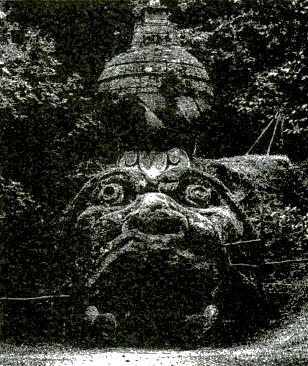
Bomarzo, 1528-88

14.9.12

Medieval Imagination


McIlwain-Nashimura, Margot. Images in the Margins, The J. Paul Getty Museum and The British Library, 2009. Images in the Margins is the third in the popular Medieval Imagination series of small, affordable books drawing on manuscript illumination in the collections of the J. Paul Getty Museum and the British Library. Each volume focuses on a particular theme and provides an accessible, delightful introduction to the imagination of the medieval world.
An astonishing mix of mundane, playful, absurd, and monstrous beings are found in the borders of English, French, and Italian manuscripts from the Gothic era. Unpredictable, topical, often irreverent, like the New Yorker cartoons of today, marginalia—images drawn in the margins of manuscripts—were a source of satire, serious social observation, and amusement for medieval readers. Through enlarged, full-color details and a lively narrative, this volume brings these intimately scaled, fascinating images to a wider audience.

Physiologus: A Medieval Book of Nature Lore, tr. Michael J. Curley, 2009. One of the most popular and widely read books of the Middle Ages, Physiologus contains allegories of beasts, stones, and trees both real and imaginary, infused by their anonymous author with the spirit of Christian moral and mystical teaching. Accompanied by an introduction that explains the origins, history, and literary value of this curious text, this volume also reproduces twenty woodcuts from the 1587 version. Originally composed in the fourth century in Greek, and translated into dozens of versions through the centuries, Physiologus will delight readers with its ancient tales of ant-lions, centaurs, and hedgehogs—and their allegorical significance. The woodcuts reproduced are from the 1587 Rome edition.

Panayotova, Stella, ed. The Macclesfield Psalter, Thames & Hudson, 2008. Discoveries of real artistic treasures are exceptionally rare. The Macclesfield Psalter (c. 1335), a jewel of manuscript painting, was virtually unknown before its sale by Sotheby's in 2004. The manuscript offers a window into the medieval world, an intimate view of the faith, sentiments, prejudices, follies, and aspirations of medieval people. Doctors, minstrels, mummers, farmers, dancers, jesters, and beggars mingle on the pages as they would have done on the streets of a busy town. And the marginal imagery tempts the viewer to leave the confines of the prayer book and enter a wonderland of literary conceits, visions, and fables, with naked wild men, a dog dressed as a bishop, or a giant fish swimming across a page. The Macclesfield Psalter is a revealing product of artistic and patronage exchange in the Middle Ages. A complete reproduction of the manuscript at its original size is accompanied by an authoritative text that not only interprets the textual and artistic content but also beguiles the reader through its vivid descriptions and rich insights.


Morrison, Elizabeth. Beasts: Factual and Fantastic, J. Paul Getty Museum, 2007. Beasts Factual and Fantastic features vivid and charming details from the wealth of manuscripts in the collections of the J. Paul Getty Museum and the British Library, along with a lively text; together both word and image provide an accessible and delightful introduction to the imagination of the medieval world.

Barber, Richard. Bestiary: Being an English Version of the Bodleian Library, Oxford, MS Bodley 764, Boydell Press, 2006. Bestiaries are a particularly characteristic product of medieval England, and give a unique insight into the medieval mind. Richly illuminated and lavishly produced, they were luxury objects for noble families. Their three-fold purpose was to provide a natural history of birds, beasts and fishes, to draw moral examples from animal behaviour (the industrious bee, the stubborn ass), and to reveal a mystical meaning - the phoenix, for instance, as a symbol ofChrist's resurrection. This Bestiary, MS. Bodley 764, was produced around the middle of the thirteenth century and is of singular beauty and interest. The lively illustrations have the freedom and naturalistic qualityof the later Gothic style, and make dazzling use of colour. This book reproduces the 136 illuminations to the same size and in the same place as the original manuscript, fitting the text around them. Richard Barber's translation from the original Latin is a delight to read, capturing both the serious intent of the manuscript and its charm.

Mandeville, John. The Travels of Sir John Mandeville, tr. C.W.R.D. Moseley, Penguin, 2005. Immediately popular when it first appeared around 1356, The Travels of Sir John Mandeville became the standard account of the East for several centuries—a work that went on to influence luminaries as diverse as Leonardo da Vinci, Swift, and Coleridge. Ostensibly written by an English knight, the Travels purport to relate his experiences in the Holy Land, Egypt, India, and China. Mandeville claims to have served in the Great Khan’s army and to have journeyed to “the lands beyond”—countries populated by dog-headed men, cannibals, Amazons, and pygmies. This translation by the esteemed C.W.R.D. Moseley conveys the elegant style of the original, making this an intriguing blend of fact and absurdity, and offering wondrous insight into fourteenth-century conceptions of the world. By the standards of the 14th century, the writing style of the man who called himself Sir John Mandeville is so informal as to be nearly chummy: "He who wants to pass over the sea to Jerusalem, may go by many ways, both by sea and by land depending on the countries he comes from; many ways come to a single end. But do not think I shall tell of all the towns and cities and castles that men shall go by, for then I must make too long a tale of it." Historians remain skeptical as to whether the author really did journey to the Holy Land and Egypt, or hire himself out as a soldier to the Great Khan of China. Whatever the case, it is indisputable that he is one of the first modern travel writers, as we have come to know the genre, and that his book was considered authoritative in matters geographical throughout Europe--consulted by Leonardo da Vinci and Christopher Columbus alike.

Camille, Michael. Image on the Edge: The Margins of Medieval Art, Reaktion Books, Essays in Art and Culture, 2004. What do they all mean – the lascivious ape, autophagic dragons, pot-bellied heads, harp-playing asses, arse-kissing priests and somersaulting jongleurs to be found protruding from the edges of medieval buildings and in the margins of illuminated manuscripts? Michael Camille explores that riotous realm of marginal art, so often explained away as mere decoration or zany doodles, where resistance to social constraints flourished. Medieval image-makers focused attention on the underside of society, the excluded and the ejected. Peasants, servants, prostitutes and beggars all found their place, along with knights and clerics, engaged in impudent antics in the margins of prayer-books or, as gargoyles, on the outsides of churches. Camille brings us to an understanding of how marginality functioned in medieval culture and shows us just how scandalous, subversive, and amazing the art of the time could be.

Bildhauer, Bettina, and Robert Mills, eds. The Monstrous Middle Ages, University of Toronto Press, 2004. The figure of the monster in medieval culture functions as a vehicle for a range of intellectual and spiritual inquiries, from questions of language and representation to issues of moral, theological, and cultural value. Monstrosity is bound up with questions of body image and deformity, nature and knowledge, hybridity and horror. To explore a culture's attitudes to the monstrous is to comprehend one of its most important symbolic tools. The Monstrous Middle Ages looks at both the representation of literal monsters and the consumption and exploitation of monstrous metaphors in a wide variety of high and late-medieval cultural productions, from travel writings and mystical texts to sermons, manuscript illuminations and maps. Individual essays explore the ways in which monstrosity shaped the construction of gender and sexual identity, religious symbolism, and social prejudice in the Middle Ages. Reading the Middle Ages through its monsters provides an opportunity to view medieval culture from fresh perspectives. The Monstrous Middle Ages will be essential reading for anyone interested in the concept of monstrosity and its significance for both medieval cultural production and contemporary critical practice.

Bovey, Alixe. Monsters and Grotesques in Medieval Manuscripts, University of Toronto Press, 2002. The margins of medieval manuscripts teem with sirens, satyrs, griffins, unicorns, dragons and other bizarre creatures. Commonplace animals are twisted together in impossible combinations, and human bodies are merged with animal forms in ways that are often both comic and ghastly. Images of these monstrosities pervade art and culture in the Middle Ages, and for medieval people they must have been a tantalizing suggestion of unknown worlds and unthinkable dangers. But what were they doing there? Were they meaningless distractions, or did these strange beasts have other symbolic meanings? Alixe Bovey's thoroughly readable text explains the meaning of these monsters and their place in medieval art.

Friedman, John Block. The Monstrous Races in Medieval Art and Thought, Syracuse University Press, 2000.

Cohen, Jeffrey Jerome. Of Giants: Sex, Monsters and the Middle Ages, University of Minnesota, Center for Medieval Studies, Medieval Cultures, Vol. 17, 1999.

Camille, Michael. Mirror in Parchment: The Luttrell Psalter and the Making of Medieval England, University of Chicago, 1998. What is the status of visual evidence in history? Can we actually see the past through images? Where are the traces of previous lives deposited? Michael Camille addresses these important questions in Mirror in Parchment, a lively, searching study of one medieval manuscript, its patron, producers, and historical progeny. The richly illuminated Luttrell Psalter was created for the English nobleman Sir Geoffrey Luttrell (1276-1345). Inexpensive mechanical illustration has since disseminated the book's images to a much wider audience; hence the Psalter's representations of manorial life have come to profoundly shape our modern idea of what medieval English people, high and low, looked like at work and at play. Alongside such supposedly truthful representations, the Psalter presents myriad images of fantastic monsters and beasts. These patently false images have largely been disparaged or ignored by modern historians and art historians alike, for they challenge the credibility of those pictures in the Luttrell Psalter that we wish to see as real. In the conviction that medieval images were not generally intended to reflect daily life but rather to shape a new reality, Michael Camille analyzes the Psalter's famous pictures as representations of the world, imagined and real, of its original patron. Addressed are late medieval chivalric ideals, physical sites of power, and the boundaries of Sir Geoffrey's imagined community, wherein agricultural laborers and fabulous monsters play a similar ideological role. The Luttrell Psalter thus emerges as a complex social document of the world as its patron hoped and feared it might be.

Benton, Janetta Rebold. Holy Terrors: Gargoyles on Medieval Buildings, Abbeville, 1997. The true gargoyle is a waterspout, an architectural necessity that medieval artisans transformed into functional fantasies. In clear, lively language, the introduction to Holy Terrors explains everything that is known about the history, construction, and purposes of these often rude and rowdy characters. The three chapters that follow are devoted to the gargoyles themselves, in human, animal, and grotesque form. Delving into their sometimes funny, sometimes mysterious meanings, Dr. Benton's entertaining text puts these irresistible creatures into the context of medieval life, and she provides a guide to gargoyle sites, so that readers can visit their favorites. This is, amazingly, the first book for adults to provide a full overview of medieval gargoyles, and it is bound to increase the already numerous legions of gargoyle admirers.

Benton, Janetta Rebold. The Medieval Menagerie: Animals in the Art of the Middle Ages, Abbeville, 1992. Featuring incredible creatures and grotesque gargoyles, "The Medieval Menagerie" takes us from the improbable to the impossible as it traces the depiction and the meaning of real and imaginary animals in medieval art. From unicorns and dragons to elephants, lions, and monkeys, medieval society was fascinated with animals, whether they actually existed or not. The more fantastic the creature, the greater its hold seems to have been on the fertile imaginations of the Middle Ages. Both art and literature abound with vividly concocted examples of Gothic monsters (gargoyles and griffins), bizarre ideas about real if exotic beasts (lions were believed to be born dead and resurrected by the father lion three days later), and strange visions of composite creatures (such as a widely accepted animal believed to be a cross between an ant and a lion). Featuring the celebrated collections of the Metropolitan Museum of Art in New York, "The Medieval Menagerie" is illustrated with the splendid and amusing beasts found in medieval painting, sculpture, architecture and decorative arts, as wello as in bestiaries and manuscripts. The text explores the depiction and the meaning of real and imaginary animals in medieval art.
__

Borges, Jorge Luis. The Book of Imaginary Beings (El libro de los seres imaginarios, 1967), tr. Andrew Hurley, Penguin, 2006. In a perfect pairing of talent, this volume blends twenty illustrations by Peter Sís with Jorge Luis Borges's 1957 compilation of 116 "strange creatures conceived through time and space by the human imagination," from dragons and centaurs to Lewis Carroll's Cheshire Cat and the Morlocks of H. G. Wells's The Time Machine. A lavish feast of exotica brought vividly to life with art commissioned specifically for this volume, The Book of Imaginary Beings will delight readers of classic fantasy as well as Borges's many admirers.
The master, writing with sometime collaborator Guerrero, compiled 82 one- and two-page descriptions of everything from "The Borametz" (a Chinese "plant shaped like a lamb, covered with golden fleece") to "The Simurgh" ("an immortal bird that makes its nest in the tree of science") and "The Zaratan" (a particularly cunning whale) in An Anthology of Fantastic Zoology in 1954. He added 34 more (and illustrations) for a 1967 edition, giving it the present title, and it was published in English in 1969. This edition, with fresh translations from Borges's Collected Fictions translator Hurley, and new illustrations from Caldecott-winner Sís, gives the beings new life. They prove the perfect foils for classic Borgesian musings on everything from biblical etymology to the underworld, giving the creatures particularly (and, via Sís, whimsically) vivid and perfectly scaled shape. "We do not know what the dragon means, just as we do not know the meaning of the universe," Borges (1899–1986) and Guerrero write in a preface, and the genius of this book is that it seems to easily contain the latter within it.

Asma, Stephen T. On Monsters: An Unnatural History of Our Worst Fears, Oxford University Press, USA, 2011. Real or imagined, literal or metaphorical, monsters have exerted a dread fascination on the human mind for many centuries. Using philosophical treatises, theological tracts, newspapers, films, and novels, author Stephen T. Asma unpacks traditional monster stories for the clues they offer about the inner logic of our fears and fascinations throughout the ages. Asma's book zooms in on the subject of monsters, both mythical and real, past, present and future, detailing how they have fascinated and frightened the human imagination through all of recorded time. Conjuring dread, the mind's eye has embraced the Philistine giant Goliath, Grendel, the golem of Jewish lore, Frankenstein's monster, freak shows, monster spectacles and werewolves with equal parts affection and terror, writes Asma, a philosophy professor at Columbia College Chicago. Using varied media sources, from history to legend and literature, Asma studies the symbolic meaning of monsters (e.g., biblical monsters represent arrogance in the face of God's power) and their psychological function. He concludes that humans need an excuse to fight, protect and defend, as well as to transfer those horrific qualities, our own monstrous desires, to inhuman beings. A wide-ranging exploration of fear and evil, Asma's presentation and theories are original and practical, depicting those dark, repulsive notions of an unstable, turbulent world in which everybody must struggle to remain human and civilized. Hailed as "a feast" (Washington Post) and "a modern-day bestiary" (The New Yorker), Stephen Asma's On Monsters is a wide-ranging cultural and conceptual history of monsters--how they have evolved over time, what functions they have served for us, and what shapes they are likely to take in the future. Beginning at the time of Alexander the Great, the monsters come fast and furious--Behemoth and Leviathan, Gog and Magog, Satan and his demons, Grendel and Frankenstein, circus freaks and headless children, right up to the serial killers and terrorists of today and the post-human cyborgs of tomorrow. Monsters embody our deepest anxieties and vulnerabilities, Asma argues, but they also symbolize the mysterious and incoherent territory beyond the safe enclosures of rational thought. Exploring sources as diverse as philosophical treatises, scientific notebooks, and novels, Asma unravels traditional monster stories for the clues they offer about the inner logic of an era's fears and fascinations. In doing so, he illuminates the many ways monsters have become repositories for those human qualities that must be repudiated, externalized, and defeated.

Kearney, Richard. Strangers, Gods and Monsters: Interpreting Otherness, Routledge, 2002. Strangers, Gods and Monsters is a fascinating look at how human identity is shaped by three powerful but enigmatic forces. Often overlooked in accounts of how we think about ourselves and others, Richard Kearney skilfully shows, with the help of vivid examples and illustrations, how the human outlook on the world is formed by the mysterious triumvirate of strangers, gods and monsters. Throughout, Richard Kearney shows how Strangers, Gods and Monsters do not merely reside in myths or fantasies but constitute a central part of our cultural unconscious. Above all, he argues that until we understand better that the Other resides deep within ourselves, we can have little hope of understanding how our most basic fears and desires manifest themselves in the external world and how we can learn to live with them.

Gilmore, David, D. Monsters: Evil Beings, Mythical Beasts, and All Manner of Imaginary Terrors, University of Pennsylvania Press, 2009. The human mind needs monsters. In every culture and in every epoch in human history, from ancient Egypt to modern Hollywood, imaginary beings have haunted dreams and fantasies, provoking in young and old shivers of delight, thrills of terror, and endless fascination. All known folklores brim with visions of looming and ferocious monsters, often in the role as adversaries to great heroes. But while heroes have been closely studied by mythologists, monsters have been neglected, even though they are equally important as pan-human symbols and reveal similar insights into ways the mind works. In Monsters: Evil Beings, Mythical Beasts, and All Manner of Imaginary Terrors, anthropologist David D. Gilmore explores what human traits monsters represent and why they are so ubiquitous in people's imaginations and share so many features across different cultures. Using colorful and absorbing evidence from virtually all times and places, Monsters is the first attempt by an anthropologist to delve into the mysterious, frightful abyss of mythical beasts and to interpret their role in the psyche and in society. After many hair-raising descriptions of monstrous beings in art, folktales, fantasy, literature, and community ritual, including such avatars as Dracula and Frankenstein, Hollywood ghouls, and extraterrestrials, Gilmore identifies many common denominators and proposes some novel interpretations. Monsters, according to Gilmore, are always enormous, man-eating, gratuitously violent, aggressive, sexually sadistic, and superhuman in power, combining our worst nightmares and our most urgent fantasies. We both abhor and worship our monsters: they are our gods as well as our demons. Gilmore argues that the immortal monster of the mind is a complex creation embodying virtually all of the inner conflicts that make us human. Far from being something alien, nonhuman, and outside us, our monsters are our deepest selves.

Cohen, Jeffrey Jerome. Monster Theory: Reading Culture, Univiversity of Minnesota Press, 1996.
Related Posts Plugin for WordPress, Blogger...